Key Takeaways
- Civil lawsuits associated with drowning incidents can foster safer access to natural bodies of water.
- The function of civil litigation is crucial in enhancing safety measures for waterways.
- Promoting secure entry to natural water sources is essential for community well-being.
- Drowning-related legal actions can create a positive influence on safety standards.
- Understanding the legal framework following a drowning occurrence is vital for affected parties.
How Civil Lawsuits After A Drowning Can Encourage Safer Access To Natural Waterways | Understanding Civil Lawsuits in the Context of Drowning Incidents
Civil lawsuits play a critical role in addressing the issue of water safety, especially in the context of drownings and near-drownings that occur in natural waterways. Legal actions, such as wrongful death lawsuits or personal injury lawsuits, bring attention to the dangers associated with these natural hazards, compelling local authorities to implement necessary safety measures. These lawsuits often highlight the importance of water rights and the need for better regulations to prevent incidents like “dry drowning” and secondary drowning. By focusing on the consequences of these tragic events, the legal system can advocate for safer access to waterways, ensuring that the risks are mitigated for community members. This proactive approach to water safety directly aligns with the aim of How Civil Lawsuits After a Drowning Can Encourage Safer Access to Natural Waterways.
How Civil Lawsuits After a Drowning Can Encourage Safer Access to Natural Waterways | What Constitutes a Civil Lawsuit After a Drowning
Civil lawsuits after a drowning can serve as a crucial mechanism for holding responsible parties accountable. These lawsuits may arise in cases where negligence contributed to a tragic outcome, such as a wrongful death lawsuit resulting from unsafe conditions in public waterways. Litigations of this nature often focus on issues like contaminated water, inadequate signage, or lack of safety measures. Plaintiffs, including grieving families, seek access to justice not only for themselves but also to instigate changes that promote safer access to natural waterways.
The role of civil rights activists in these cases cannot be overstated. Advocacy for improved safety standards often emerges from the outcomes of liability lawsuits that highlight systemic issues in waterway management. Lawsuits against corporations, such as lawsuits against Monsanto or lawsuits against Pfizer, can set legal precedents that encourage local authorities to take proactive steps in safeguarding public health. Ultimately, successful litigation can lead to not just damages for the plaintiffs, but also essential reforms that prevent future drownings and enhance the overall safety of community waterways.
Common Grounds for Drowning-Related Lawsuits
Drowning-related lawsuits often arise from various hazards that can contribute to tragic incidents. Plaintiffs may seek justice through civil lawsuits based on inadequate safety barriers, negligent maintenance of waterways, or violations of riparian water rights. Legal claims can also be rooted in the failure of the justice department to enforce existing regulations designed to protect public safety. These cases can range from personal injury lawsuits to more extensive class action lawsuits, highlighting the critical role of legal action in addressing systemic issues within water resources management. How Civil Lawsuits After a Drowning Can Encourage Safer Access to Natural Waterways signifies a movement toward accountability and enhanced safety measures.
Civil rights play a vital role in the context of drowning-related lawsuits. Advocates argue that communities have a right to safe and accessible waterways, reflecting the core principles of the civil rights movement. By suing for damages, plaintiffs not only seek financial compensation but also aim to prompt changes that lead to safer access for all. These legal battles can lead to the implementation of necessary design and safety measures, ensuring that wetlands and natural water bodies are protected against neglect and mismanagement. Such efforts underscore how civil lawsuits can be a catalyst for improved waterway safety and broader advocacy for community wellness.
The Role of Civil Lawsuits in Promoting Waterway Safety
Civil lawsuits play a crucial role in promoting waterway safety by holding responsible parties accountable for drowning incidents. These legal claims often arise from wrongful death claims or property damages resulting from inadequate safety regulations. Through drowning-related lawsuits, families seek justice while highlighting the need for improved access to safe natural waterways. Attorneys specializing in drowning accident lawsuits can advocate for stricter safety measures that protect both public swimming pools and natural water supplies. By examining the impact of such cases on community standards, it becomes evident how civil lawsuits after a drowning can encourage safer access to natural waterways, ultimately contributing to the prevention of future drowning tragedies.
Legal Precedents Affecting Waterway Management
Legal precedents play a crucial role in shaping waterway management policies, particularly in the context of drowning incidents. Successful civil lawsuits can highlight the responsibilities of property owners and local governments in preventing drownings. For instance, legal actions taken by experienced drowning lawyers can draw attention to safety lapses that led to tragic drowning accidents. These lawsuits often stem from cases involving drowning victims and serve as a catalyst for implementing safety measures, ultimately encouraging safer access to natural waterways.
Courts have frequently set significant legal standards concerning the obligations of entities managing waterways. Fatal drowning cases often lead to increased scrutiny of safety regulations and prompt local authorities to re-evaluate their practices. Near-drowning cases also impact how jurisdictions address potential hazards in natural bodies of water. Drowning accident attorneys leverage these precedents to advocate for systemic changes that not only seek justice for drowning victims but also aim to prevent future tragedies through enhanced safety protocols and community awareness.
Impact on Local Regulations and Policies
Civil lawsuits arising from drowning-related cases often trigger a reevaluation of local regulations and policies. These lawsuits draw attention to past tragic drowning incidents, prompting authorities to assess the safety of waterways. For example, following a fatal drowning accident, local governments may find the need to redesign access points to rivers or lakes. This proactive approach can lead to improved signage, better safety equipment, and enhanced surveillance in popular swimming areas. Ultimately, such changes aim to prevent future drowning accidents, making waterways safer for everyone.
Local policies can evolve significantly in response to public outcry surrounding drowning events. Advocacy and community engagement often grow following a drowning accident claim, emphasizing the importance of safety measures. Municipalities are compelled to implement stricter regulations aimed at reducing both fatal and non-fatal drowning incidents. The push for updated safety standards reflects a collective effort to protect individuals from drowning results while fostering a culture of water safety. How Civil Lawsuits After a Drowning Can Encourage Safer Access to Natural Waterways illustrates the essential role of legal action in shaping effective waterway management and community safety initiatives.
Encouraging Safer Access to Natural Waterways
Civil lawsuits following drowning incidents serve a crucial role in promoting safer access to natural waterways. How Civil Lawsuits After a Drowning Can Encourage Safer Access to Natural Waterways becomes evident as these lawsuits highlight the need for stricter safety regulations. Victims of fatal drowning accidents often seek accountability through harm lawsuits, aiming to address the negligence that leads to unintentional drownings. The outcomes of these lawsuits can lead to enhanced safety measures, such as improved signage and better management of boating-related drownings. By addressing drowning accident instances and advocating for preventative actions, these legal actions contribute to making waterways safer for all. As communities recognize the impact of drowning accident damages, they become more proactive in creating environments where individuals can responsibly and safely access waterways, ultimately reducing the risk of both non-fatal and fatal drowning accidents.
Implementing Design and Safety Measures
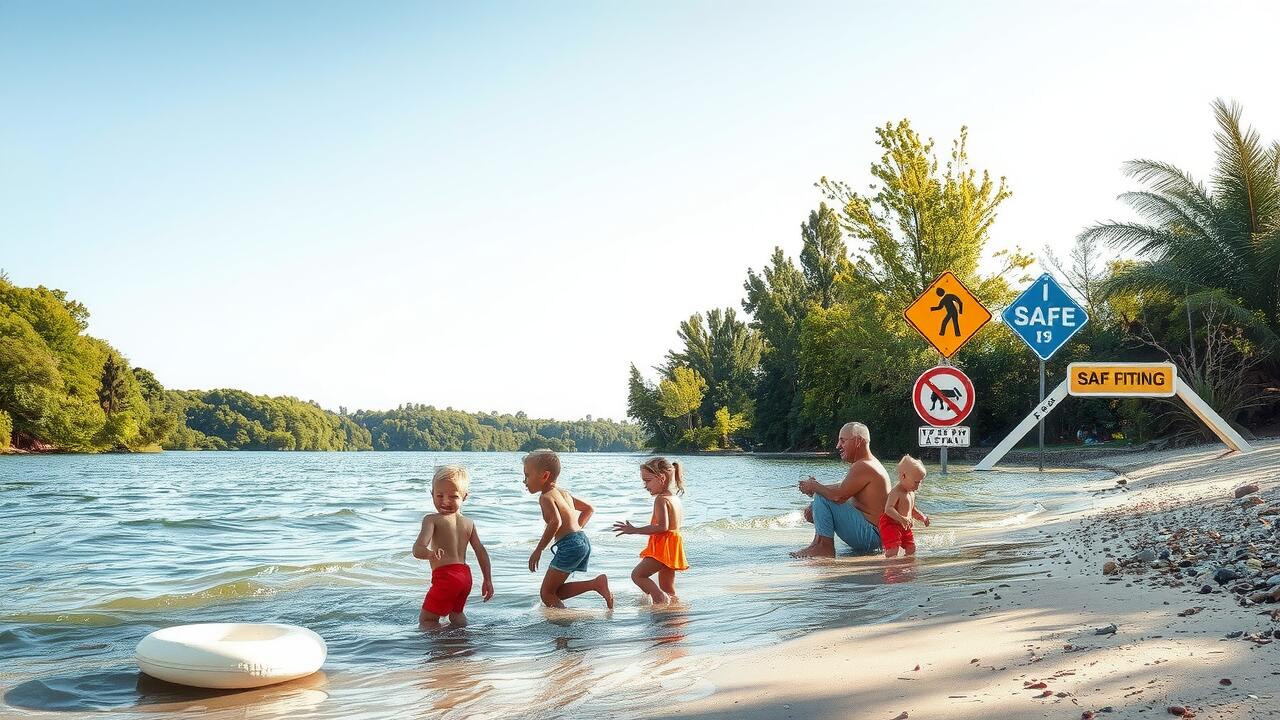
Design and safety measures are crucial in addressing the alarming trends reflected in drowning accident statistics. With drowning rates rising, especially in unsafe waters such as rivers and lakes, civil lawsuits play a significant role in advocating for improved safety standards. Numerous lawsuits highlight common damages related to drowning incidents, prompting local authorities and organizations to reassess how they manage access to these waterways. Implementing design changes such as better signage, safety barriers, and lifeguard stations can make rivers safe for all users while significantly reducing the risk of nonfatal drownings.
The emphasis on water rights settlements and the legal implications of unsafe river conditions can drive the creation of more robust safety regulations. By prioritizing the implementation of effective design measures, communities can work towards preventing drowning accidents. How Civil Lawsuits After a Drowning Can Encourage Safer Access to Natural Waterways focuses on generating awareness and accountability among stakeholders. This holistic approach not only enhances public safety but also reinforces the importance of responsible management of natural waterways for current and future generations.
Community Awareness and Education Initiatives
Raising community awareness about the risks associated with natural waterways is vital. Many individuals engage in recreational activities without fully understanding their recreational water rights or the dangers present. Implementing educational initiatives can highlight the importance of safety measures that prevent aquatic accidents. These initiatives could be instrumental in addressing issues related to unsafe pool conditions or unsafe pool covers, which are often a source of drowns. Lawsuits targeting companies responsible for maintaining these areas can serve as catalysts for change, leading to safer practices that encourage responsible use of water resources.
Education campaigns can also provide information on how civil lawsuits after a drowning can encourage safer access to natural waterways. By sharing stories of nec lawsuits and accident lawsuits that highlight the consequences of negligence, communities can better understand the need for accountability. Accident attorneys play a crucial role by advocating for those affected by such tragedies, helping victims or their families seek justice. By emphasizing the impact of quantified water rights and the risks associated with PFAS contamination, these educational efforts can inspire proactive measures that significantly reduce the likelihood of aquatic accidents.
The Ripple Effect of Drowning-Related Lawsuits
Drowning-related lawsuits play a pivotal role in shaping waterway safety and access. How Civil Lawsuits After a Drowning Can Encourage Safer Access to Natural Waterways is evident through successful lawsuits that raise awareness about critical safety measures. Instances of bathtub drownings or cases where a child drowns in a local pool can highlight failures in safety protocols, prompting legal advocacy for better regulations. Compassionate attorneys often take on these cases, aiming for fair settlements that not only address individual tragedies but also impact broader community standards. Public pool cases and water disputes spark discussions on state water rights and the need for updated state water laws. The emphasis on pool safety acts and the outcomes of roundup lawsuits or mesh lawsuits further demonstrate the interconnectedness of legal actions and enhanced safety measures in recreational water environments.
Case Studies Reflecting Changes in Waterway Safety
Case studies have illustrated how civil lawsuits after a drowning can encourage safer access to natural waterways. Following tragic incidents, families of accident victims often initiate legal action against water rights holders. These lawsuits highlight serious safety risks associated with recreational water access. For example, in a well-documented case, a lack of proper safety barriers led to a hazardous situation that resulted in a drowning. The outcome of the lawsuit prompted local authorities to reevaluate and enhance safety measures, demonstrating the potential of legal action to shift the approach to waterway safety.
In another instance, a lawsuit underscored the importance of pool safety regulations in preventing drownings in public waterways. The case centered around taken-for-granted water rights that did not account for the safety of users. After the ruling, communities adopted more stringent water law systems, emphasizing the responsibilities of water rights holders to provide adequate safety measures. This ripple effect shows how civil lawsuits can prompt significant changes in policies governing dangerous waters, ultimately making them safer for all users.
- Increased awareness of waterway hazards among communities
- Implementation of safety barriers and signage at access points
- Development of educational programs on water safety for the public
- Stricter enforcement of swimming and boating regulations
- Enhanced training for lifeguards and safety personnel
- Collaboration between local authorities and water rights holders to improve safety standards
- Regular assessments and updates to safety protocols based on incident reports
Collaboration Between Local Authorities and Advocacy Groups
Local authorities and advocacy groups play a vital role in enhancing waterway safety following drowning incidents. Collaboration can lead to the establishment of proper safety measures aimed at preventing boat accidents and addressing hidden hazards in public water areas. These organizations can push for regulations that protect individual water rights while ensuring that unsafe areas are identified and managed effectively. They can also advocate for awareness initiatives that highlight the importance of basic safety practices, potentially reducing accidental deaths related to drowning.
The interplay between local governance and advocacy efforts fosters a culture of accountability concerning waterway management. Accident injury attorneys and accident lawyers can leverage this partnership to address issues such as decay lawsuits and premises liability lawsuits, emphasizing the importance of maintaining safe recreational spaces. By working together, local authorities and advocacy groups can establish guidelines that not only protect water rights holders but also foster a community commitment to safe practices in both natural water bodies and swimming pool safety. This collaboration ultimately supports the overarching goal of promoting safer access to natural waterways, aligning with the principles outlined in How Civil Lawsuits After a Drowning Can Encourage Safer Access to Natural Waterways.
Navigating the Legal Landscape After a Drowning Incident
Navigating the complexities of the legal landscape following a drowning incident requires a careful understanding of various legal areas. Civil lawsuits can serve as a crucial mechanism for victims seeking justice and accountability, particularly in cases involving pool accidents or unsafe public water environments. Engaging with personal injury attorneys or a wrongful death lawyer can provide essential legal help, guiding families through pertinent legal procedures and advocating for safer access to natural waterways. By holding responsible parties accountable, these lawsuits can lead to improved safety measures, such as approved pool safety regulations and the enforcement of indian water rights. This legal framework not only addresses individual incidents but also fosters broader awareness of safety issues, ultimately contributing to a safer environment for all. How Civil Lawsuits After a Drowning Can Encourage Safer Access to Natural Waterways becomes evident through the ripple effects of these legal actions on community regulations and policies.
Steps to Take When Pursuing a Lawsuit
Pursuing a civil lawsuit after a drowning incident involves multiple steps that are crucial in addressing preventable tragedies. Understanding your legal rights is paramount, as you navigate the complexities of legal claims related to the reckless actions of others, such as reckless boaters. Gathering evidence about the circumstances of the accident, including eyewitness accounts and safety measures like safety coverings, is essential to build a strong case. Engaging with entities such as the Colorado Water Trust and advocating for safer access to natural waterways can help emphasize the importance of water security in recreational water uses.
Consulting with an attorney experienced in accident cases provides guidance through the legal path ahead. They can help interpret the legal circumstances surrounding your case, ensuring that all relevant details are documented and presented effectively. Judicial adjudications on similar cases may influence outcomes and can reveal patterns in statewide water management policies. Establishing a logical connection between the drowning incident and the need for improved safety measures can significantly impact the outcome of your lawsuit, promoting a culture of safety and accountability.
- Gather thorough documentation, including medical records and police reports.
- Identify and interview witnesses to provide testimonies that support your case.
- Research similar cases and their outcomes to strengthen your argument.
- Outline specific damages you are seeking, such as compensation for medical bills and emotional distress.
- Consider alternative dispute resolution options, such as mediation, before proceeding to court.
- Stay organized and maintain clear communication with your attorney throughout the process.
- Be prepared for the possibility of a lengthy legal battle, and stay mentally and emotionally ready for the journey ahead.
Conclusion
Civil lawsuits play a crucial role in promoting safer access to natural waterways, particularly following drowning incidents. By highlighting safety violations and negligence, these lawsuits can spur local authorities to take proactive measures in waterway management. Non-fatal cases also contribute to this dialogue, shedding light on the need for improved safety protocols and rescue efforts. The financial compensation gained through litigation can sometimes be compared to funds from asbestos trust funds, as both serve as catalysts for change within affected communities. Ultimately, understanding how civil lawsuits after a drowning can encourage safer access to natural waterways is vital for fostering a culture of safety and awareness.
FAQS
What is a civil lawsuit in the context of drowning incidents?
A civil lawsuit in the context of drowning incidents is a legal action taken by individuals or families against parties they believe are responsible for the drowning. This could involve claims of negligence, wrongful death, or failure to provide adequate safety measures at natural waterways.
What are common grounds for filing a drowning-related lawsuit?
Common grounds for filing a drowning-related lawsuit include negligence on the part of property owners, lack of proper safety signage, failure to maintain safe conditions, or inadequate supervision at public swimming areas.
How can civil lawsuits promote waterway safety?
Civil lawsuits can promote waterway safety by holding responsible parties accountable, prompting changes in safety regulations, and encouraging investment in safety measures to prevent future incidents.
What kind of legal precedents can affect waterway management?
Legal precedents that can affect waterway management include previous court rulings that establish liability standards for property owners, the effectiveness of safety measures, and the responsibilities of local authorities in maintaining safe waterways.
What steps should someone take when pursuing a lawsuit after a drowning incident?
Steps to take when pursuing a lawsuit after a drowning incident include gathering evidence, consulting with an attorney experienced in personal injury law, filing the necessary legal documents, and potentially engaging in settlement negotiations or preparing for trial.
How can civil lawsuits related to drowning incidents lead to improvements in safety practices for accessing unsafe rivers?
Civil lawsuits, particularly those involving drowning accidents, can significantly impact the enforcement of safety regulations near waterways. When experienced drowning accident lawyers represent cases of fatal drowning victims or near-drowning accidents, they highlight unsafe conditions that can lead to preventable tragedies. By targeting companies or entities responsible for maintaining safe environments, these lawsuits can prompt changes that enhance access to waterways without compromising safety. As many drownings and non-fatal drowning injuries continue to rise, taking legal action through a drowning lawsuit can ultimately help create a safer atmosphere for all water users, thereby addressing the ongoing water crisis.
How can civil lawsuits help address the issue of rights pertaining to a water user when a drowning tragedy occurs in unsafe rivers?
Civil lawsuits related to drowning incidents often highlight the rights of a water user in cases where there are unsafe rivers. When a person drowns or experiences a near drowning, these lawsuits can address preventable tragedies by targeting companies responsible for water safety. This legal action not only seeks compensation for the drowning victim but also encourages safer practices in accessing waterways, which ultimately helps prevent both fatal and non-fatal drowning accidents that can lead to an increase in drownings. In such drowning accident cases, the focus on safety can lead to better environmental water transactions and more effective foam lawsuits regarding contamination issues.
What are the implications of civil lawsuits on the access to waterways in the context of preventable drowning tragedies?
Civil lawsuits related to drowning tragedies can serve as a crucial mechanism to address safety practices around natural waterways. When drowning incidents occur, especially due to negligence, it highlights the need for better regulations and practices. A successful free drowning lawsuit can raise awareness of the dangers associated with unintentional drowning accidents, prompting bodies to take action. Moreover, as drownings rise, these lawsuits target companies or entities responsible for maintaining access and safety in water areas. By influencing civil court decisions, they play a significant role in ensuring that rights—a water user are upheld while preventing future drowning tragedies. Ultimately, addressing experienced drowning injuries can lead to improved access and safety measures for all, thereby reducing the likelihood of river drowning incidents.
How do civil lawsuits related to drowning tragedies help ensure that drowning victims are remembered while encouraging safer practices for those who can access waterways?
Civil lawsuits often arise from preventable tragedies like drowning incidents, and they play a crucial role in highlighting the importance of safety. These lawsuits can influence policies to improve access to waterways by ensuring accountability for negligent practices. As the number of drownings increases, the legal actions taken can reflect the experiences of drowning victims splashing for help, raising awareness about their plight. This can lead to changes in regulations that prioritize the own safety of individuals trying to enjoy natural water bodies, while also addressing serious issues such as PFAS contamination and AFFF lawsuits that may affect the safety of these water sources. Ultimately, civil lawsuits serve both as a means of justice for victims and as a catalyst for change in safety standards.
How do civil lawsuits contribute to creating safer environments in natural waterways to prevent drowning tragedies?
Civil lawsuits play a crucial role in highlighting the responsibilities of landowners and local jurisdictions regarding water safety, particularly in cases of drowning tragedies. When a drowning victim splashing in unsafe water leads to lawsuits, it can prompt changes in safety protocols, thus encouraging communities to improve how they can access waterways. As experienced drowning injury cases rise, the legal system holds parties accountable, which can lead to more stringent safety measures and awareness about preventable tragedy, such as increased regulation around pfos contamination lawsuits and clarifying American water rights.
How can concerns over PFAS contamination in waterways lead to increased civil lawsuits following drowning tragedies?
Civil lawsuits related to drowning tragedies often arise in the context of PFAS contamination in waterways. When drownings rise due to poor water quality, these lawsuits serve not only to seek justice for victims but also to highlight the dangers associated with contaminated rivers. This encourages accountability among responsible parties, thereby promoting safer practices and conditions in the community related to both pollution and water access.
How do civil lawsuits impact the frequency of drowning tragedies in relation to pfas contamination in waterways?
Civil lawsuits often arise in the wake of a drowning tragedy, particularly when issues like pfas contamination are involved. These lawsuits can highlight the risks associated with contaminated waterways, showing that drownings rise not only from unsafe conditions but also from environmental hazards. By holding responsible parties accountable, lawsuits can drive changes that lead to safer conditions and practices, thereby reducing the occurrence of drownings—as well as addressing the broader implications of environmental health through pfas contamination lawsuits.
How do civil lawsuits impact community awareness about drowning—as incidents rise, and what role do they play in enforcing safety regulations for waterways?
Civil lawsuits serve as a critical tool in raising community awareness about drowning—as they often highlight the need for improved safety measures when drownings rise. These lawsuits can lead to increased enforcement of safety regulations, fostering a collective responsibility to ensure that waterways are safe for all users and thereby reducing the risk of future drownings.
How do civil lawsuits relate to the trend of drownings rising in natural waterways?
Civil lawsuits often arise in response to drowning incidents, and they have the potential to highlight negligence or unsafe practices that contribute to these tragedies. As drownings rise, lawsuits can serve as a tool for accountability, prompting safety measures that mitigate risks associated with natural waterways.
How can civil lawsuits play a role in addressing how drownings rises in natural waterways?
Civil lawsuits can serve as a catalyst for change by raising awareness about the risks associated with natural waterways, particularly as drownings rises. They bring attention to negligent practices that may contribute to these tragedies and can lead to increased pressure on local authorities to implement safety regulations, ultimately helping to reduce the incidence of drownings.