Drownings On Campgrounds And Recreational Land: Who Is Responsible? | Understanding Drownings on Campgrounds and Recreational Land
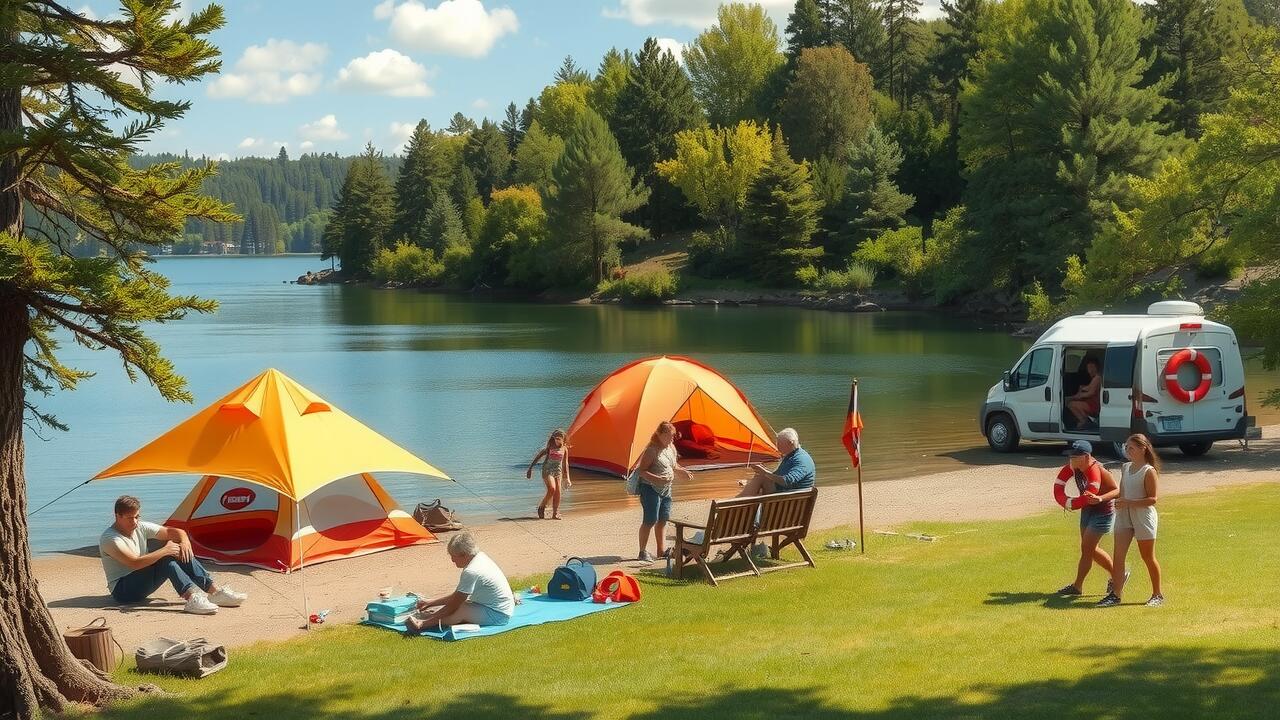
Drownings on Campgrounds and Recreational Land: Who Is Responsible? is a critical question that arises when examining the statistics and trends in drownings related to outdoor recreational activities. Each year, numerous campers find themselves in perilous situations, often resulting in drownings due to a variety of factors, including natural hazards and hidden debris in water bodies. Many campers may underestimate the risks associated with swimming or engaging in water activities during a camping trip. Awareness about these dangers is essential, as the responsibility for safety can sometimes be convoluted, leading to unfortunate incidents where individuals drown. Understanding the dynamics of these drownings on campgrounds and recreational land is vital in promoting safer practices and preventing further tragedies.
Drownings on Campgrounds and Recreational Land: Who Is Responsible? | Statistics and Trends in Drownings
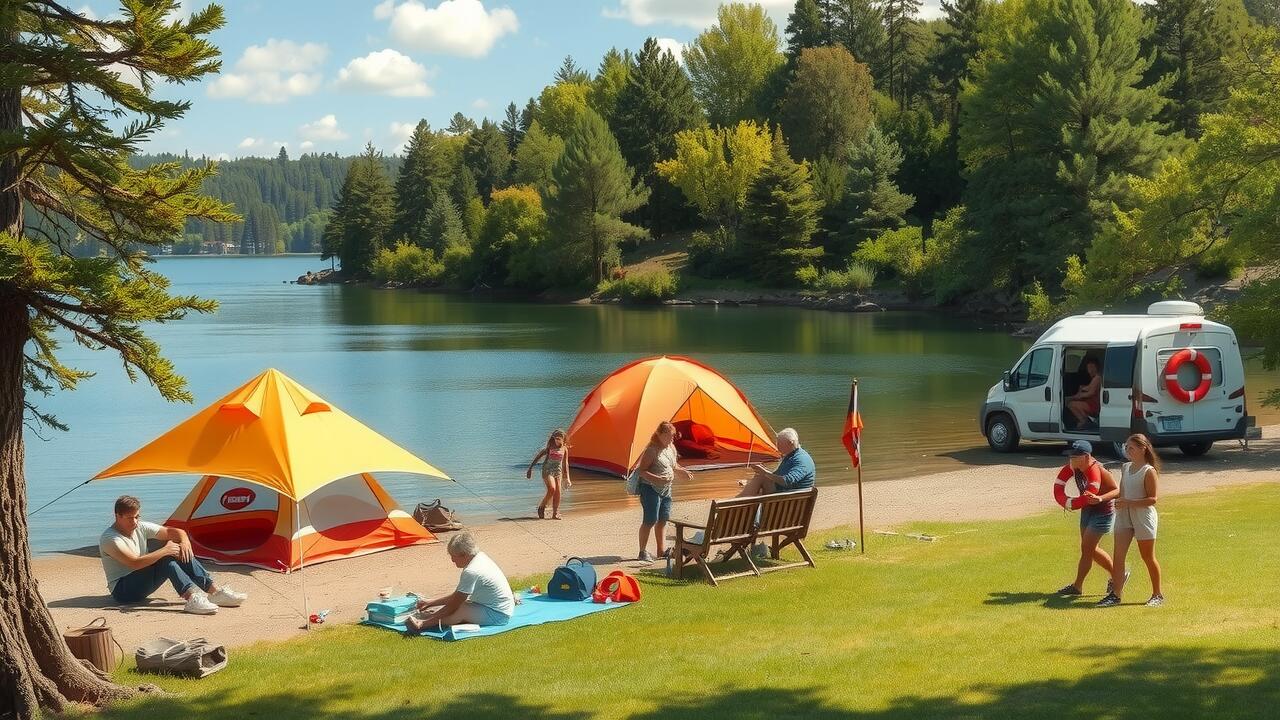
Drownings on Campgrounds and Recreational Land: Who Is Responsible? has become a critical discussion as statistics reveal alarming trends in accidental deaths related to water activities. Ponds, lagoons, and riverside parks are popular spots for outdoor recreation, yet they pose risks for unsuspecting visitors. Boating accidents often lead to fatalities, particularly in areas lacking proper safety measures such as lifeguards. The increasing number of drownings highlights the need for awareness of safety protocols during picnics and other outdoor activities.
Recent studies indicate a notable uptick in drownings at campgrounds and recreational land, emphasizing the importance of understanding who is accountable for these tragic events. Many water-related fatalities occur in serene environments that may lack the necessary supervision or safety equipment. Inadequate signage or warnings about the dangers present in waterways can contribute to these accidents. Recognizing the responsibilities of landowners and park authorities is vital in addressing the rising concern of drownings in outdoor recreational spaces.
Types of Water Bodies in Recreational Areas
Campgrounds and recreational areas often feature various types of water bodies that can pose safety hazards if not properly managed. Retention ponds are commonly used for flood control but can quickly become dangerous if individuals are unaware of their depth and potential currents. Water parks offer designated swimming areas with lifeguards on duty, yet risks remain, especially in sections not supervised. Meanwhile, natural waterways can attract activities like canoeing and whitewater canoeing, where strong tides can lead to drownings on campgrounds and recreational land if proper precautions are not taken.
The presence of beaches and ponds enhances the recreational experience but requires vigilance. Picnic tables near these areas can lure visitors, making it essential for campground owners to educate guests about the risks associated with these water bodies. Flooding can occur rapidly due to heavy rain, turning seemingly safe surroundings into treacherous environments. It is crucial to assess all types of water bodies and their potential safety hazards to address the question of drownings on campgrounds and recreational land and determine who is responsible for ensuring guest safety.
Legal Responsibilities Surrounding Drownings
Liability for drownings on campgrounds and recreational land often hinges on several factors, including the nature of the water bodies involved such as lakes, beaches, and navigable waterways. Campground operators and resort owners have a duty to ensure the safety of their guests, especially in areas designated for swimming and fishing. Recklessness or negligence in maintaining safe conditions can lead to wrongful death claims from families affected by tragic incidents. For example, if a fisherman drowns due to unsafe conditions or lack of warnings about the dangers of a river, the campground could potentially face a wrongful death claim. Understanding the legal responsibilities surrounding these risks is essential in addressing the issue of drownings on campgrounds and recreational land: who is responsible?
Campground and Landowner Liability
Liability for drownings on campgrounds and recreational land often falls on the landowners and operators, especially in cases where negligence is demonstrated. Many drownings occur due to inadequate safety measures around bodies of water, where fishing and swimming take place. If a drowning accident happens because safety protocols were not followed, landowners may face significant legal consequences. Drowning results can stem from factors such as poor signage, lack of lifeguards, or failure to maintain safe water conditions.
Understanding liability in the context of drownings on campgrounds and recreational land: who is responsible? is crucial for both landowners and visitors. A drowning case can lead to serious implications, including financial compensation claims by the victims' families. If someone drowns due to negligence, the campground could be held accountable for not providing a safe environment. Thus, establishing clear responsibilities and following legal guidelines is vital to prevent accidental drownings and protect both patrons and property owners.
State and Federal Regulations
Regulations governing drownings on campgrounds and recreational land focus on liability and safety standards. Campground owners at private campgrounds must be familiar with laws that dictate their responsibilities in ensuring safety measures to prevent drowning accidents. These regulations often dictate the maintenance of swimming areas and require owners to take proactive steps against potential hazards. Failure to comply can lead to legal consequences, especially in drowning accident cases where negligence is proven.
Government-run campgrounds typically follow state and federal guidelines that outline safety protocols and liability waivers for campers. These standards aim to reduce common campground injuries and accidental campground injuries, which can include drownings. Campground owners are encouraged to implement regular safety assessments and training for staff to help mitigate risks associated with recreational accidents. Awareness of both state regulations and the nuances of campground liability waivers is crucial for maintaining a safe environment.
Safety Measures and Precautions
Drownings on Campgrounds and Recreational Land: Who Is Responsible? highlights the urgent need for effective safety measures in recreational areas. Campers engaging in various recreational activities—whether swimming in lakes or using water parks—must be aware of potential hazards such as varying water depths and strong currents. The presence of clear signs and warnings at recreational facilities can greatly reduce the risk of water accidents. Legal ramifications from a drowning accident lawsuit can serve as a reminder of the importance of these precautions. Campground managers and facility operators are tasked with ensuring that appropriate safety features are in place, including lifeguard presence during peak usage times and regular inspections for potential hazards like tent collapses or unstable structures. By fostering a culture of safety and preparedness, the likelihood of tragic drowning incidents can be significantly decreased.
Lifeguard Requirements at Campgrounds
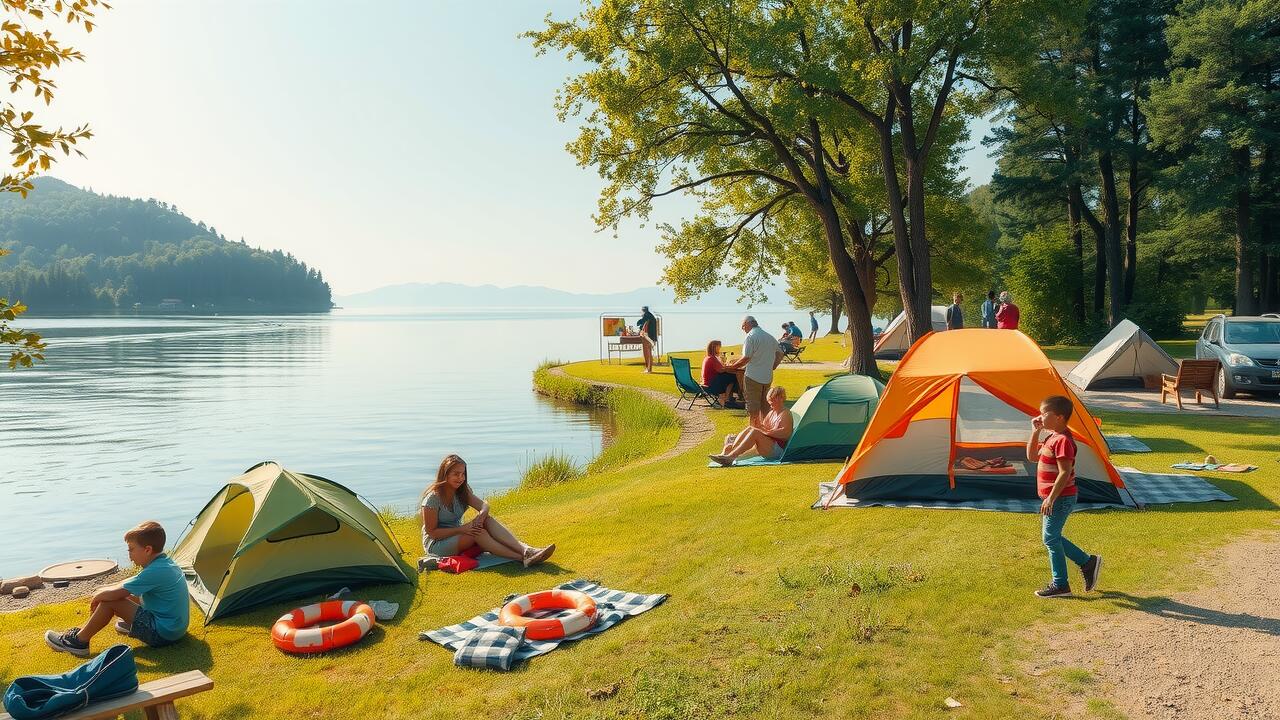
Ensuring the presence of lifeguards in outdoor recreation areas plays a crucial role in preventing drownings on campgrounds and recreational land. With incidents of accidental death worldwide linked to swimming in recreational bodies, having trained lifeguards can significantly reduce risks. They are equipped to handle dangerous situations, such as rescuing victims caught in strong currents or near submerged objects. Without adequate supervision, common victims of drownings in private ponds may face life-threatening situations that could have been avoided with proper safety measures in place.
Lifeguard requirements vary based on the type of water body present, which influences the level of oversight necessary. Campgrounds with pools often have stricter regulations, given the more controlled environment compared to natural bodies of water. Pool accidents lead to numerous deaths each year, highlighting the need for vigilant lifeguarding. By implementing stringent lifeguard protocols, campgrounds can work towards reducing the potential for accidents, ultimately protecting guests from becoming accident victims and ensuring a safer outdoor experience.
Signs and Warnings for Water Safety
Proper signage is crucial in preventing drownings on campgrounds and recreational land. Landowners must ensure that water bodies such as creeks and other waterways in public parks are clearly marked to indicate areas of open danger. Signs should alert visitors to hidden hazards that may not be immediately visible. By actively providing these warnings, park management can significantly reduce the likelihood of water accidents and inform campers about the lethal danger that may exist in seemingly safe areas.
Survivors of water accidents often recount the lack of warnings that contributed to their incidents. Campgrounds should have prominent signs displaying safety guidelines and emergency contact information. Such park measures create a safer environment for all visitors and highlight the responsibilities associated with Drownings on Campgrounds and Recreational Land: Who Is Responsible? By fostering awareness through signage, landowners can better protect their guests and limit the risk associated with water-related activities.
Role of Emergency Services
Emergency services play a pivotal role in addressing the tragic incidents of drownings on campgrounds and recreational land, raising important questions about who is responsible. Many public recreation areas, such as county parks and public beaches, see a surge in water activities, making it crucial to have adequate safety measures in place. Often, these areas feature creeks and other water bodies that can present hazards, including deadly hydraulic situations. Emergency response teams must be well-trained to manage such accidents effectively. Providing lifeguards at water parks and along popular public lands can greatly enhance safety. As the statistics on drownings reveal, understanding the responsibilities tied to these safety measures helps to prevent future tragedies and highlights the importance of preparedness in park sites.
Emergency Response Procedures
Emergency response procedures are crucial in addressing drownings on campgrounds and recreational land. Timely and effective action can significantly reduce the number of water-related injuries at accident sites, such as a park lake or a shallow pond. Training for staff and volunteers on how to manage dangerous situations is essential. Knowing how to assess the specific hazards of waterfront areas will help in responding swiftly. Proper protocols can support both landowners or the government agency charged with managing public lands in handling incidents that may arise, especially in hazardous traps like embankments near deeper water.
Response efforts require coordination among emergency services and campground staff to ensure safety. Quick access to first aid resources and the ability to implement rescue techniques can make a difference in critical moments. Understanding the potential dangers of shallow areas and their proximity to deeper water bodies is vital. Drownings on campgrounds and recreational land: who is responsible? Establishing clear communication channels between responders and campground management enhances the efficiency of emergency procedures while prioritizing camper safety.
Training for Campground Staff
Campground staff play a critical role in preventing drownings on campgrounds and recreational land. Training should encompass identifying potential hazards in areas such as city-owned riverside parks. Staff must understand the responsibilities tied to the presence of waterfront property and the legal exposure that comes with it. This includes ensuring that trained lifeguards are present during peak park activity. Even with safety measures in place, reckless behaviors by visitors can create situations that lead to wrongful death damages if not properly managed.
Regular training sessions should focus on emergency response procedures, teaching staff the essential steps to assist survivors in the event of an incident. Emphasis on state lifeguard certification can enhance staff proficiency, enabling them to react effectively to emergencies. Understanding the dynamics of waterfront environments is crucial for campground workers. Well-prepared staff can contribute significantly to reducing the risks associated with drownings on campgrounds and recreational land, fostering a safer experience for all visitors.
Awareness and Education
Educating campers about the potential dangers associated with water activities on campgrounds is crucial to preventing tragic accidents. Drownings on Campgrounds and Recreational Land: Who Is Responsible? highlights the risks posed by hazardous water conditions, including creeks adjacent to recreational areas that may not be adequately monitored. Untrained lifeguards can exacerbate these dangers, leaving individuals vulnerable to risky activities without proper supervision. Campers must be aware of the consequences of carelessness, including burial expenses resulting from incidents that could have been prevented. Unsafe playground equipment near water bodies further complicates safety, as it may attract children to hazardous areas. Establishing clear waterfront property rights can help delineate safe zones, while promoting awareness of intentional harm from neglect ensures that everyone understands their role in maintaining a secure recreational environment.
Importance of Safety Briefings
Effective safety briefings are crucial for reducing the risks associated with drownings on campgrounds and recreational land. By informing campers about designated swimming areas and the dangers present in waterfront property, the likelihood of injury-related death can be significantly minimized. Knowledge of reckless behavior's impact on safety and awareness of state park rules further empower individuals to make responsible choices. Campers should be briefed on the specific risks at government-owned beaches and swimming resorts, emphasizing the importance of vigilance in these high-traffic areas.
Safety briefings can also address the unique hazards encountered in various waters and beach areas. Campers need to understand the different conditions at state parks and how they may change throughout the day. By promoting a culture of safety through these briefings, campground operators can help prevent fatalities and ensure a more enjoyable experience for all visitors. Identifying the potential for drownings on campgrounds and recreational land and fostering awareness will contribute to a safer environment for everyone.
Community Engagement and Initiatives
Community involvement is crucial for addressing the issue of drownings on campgrounds and recreational land. Local park officials and park districts can spearhead initiatives that promote water safety awareness. Engaging the community through educational workshops can illuminate the risks associated with various water bodies, such as lakes and non-navigable streams. Park service can collaborate with landowners to ensure that canoe launch areas are properly monitored and equipped with signage that highlights safety protocols. Victims of such tragic incidents often spark communal discussions, leading to more focused preventive measures.
Trash and debris are common hazards that can create unsafe environments near recreational water areas. Community initiatives focused on cleanup efforts can improve these landscapes, fostering safer conditions for all outdoor enthusiasts. By deploying park officials and volunteers to regularly maintain these spaces, local parks can significantly reduce the risk of accidents. Prioritizing safety through community engagement helps ensure that drownings on campgrounds and recreational land remain a rare occurrence. Drownings on Campgrounds and Recreational Land: Who Is Responsible? becomes a collective concern, prompting proactive measures from everyone involved.
- Raise awareness about water safety through community workshops and events.
- Collaborate with local schools to integrate water safety education into their curriculum.
- Organize regular clean-up days to remove debris and hazards from water bodies.
- Develop clear signage that outlines safety measures near recreational water areas.
- Create a community watch program to monitor water activities and ensure compliance with safety protocols.
- Partner with healthcare professionals to provide first aid and CPR training for community members.
- Encourage local businesses to sponsor safety initiatives in the park and recreational areas.
Preventative Strategies for Campers
Preventative strategies for campers are crucial to addressing the issue of drownings on campgrounds and recreational land, especially considering who is responsible for these incidents. Campers should be aware of the potential risks associated with various water bodies, particularly at sites near point parks or waterfront properties. It is essential to assess the swimming area for any unsafe conditions that may present an obvious danger. Engaging with campground staff about the circumstances surrounding any previous incidents can provide vital information on dangerous conditions that may lead to injuries. By acknowledging that swimming involves one’s own risk, campers can take proactive measures to enhance their safety, whether it be avoiding pools with a lack of supervision or refraining from swimming in areas marked by hazardous signs. Understanding Drownings on Campgrounds and Recreational Land: Who Is Responsible? is critical for promoting a culture of safety within these environments.
- Regularly check for weather updates and water conditions before swimming.
- Always swim with a buddy to ensure assistance is available in case of an emergency.
- Familiarize yourself with the layout of the swimming area and any potential hazards.
- Use life jackets or flotation devices, especially for inexperienced swimmers or children.
- Attend any safety briefings or training sessions offered by campground staff.
- Set clear swimming rules and guidelines with your group to promote safety.
- Report any unsafe conditions or incidents to campground authorities immediately.
Conclusion
Drownings on Campgrounds and Recreational Land: Who Is Responsible? presents a critical examination of safety concerns associated with various water bodies across different locations. Analyzing statistics and trends reveals that accidents often occur in areas where warning signs are inadequate or nonexistent. County regulations and the responsibilities of campground owners influence the frequency of such tragedies. Understanding the causes of these accidents and potential injury implications is essential for creating safer environments. Moore estate landowners must be aware of their liabilities and adopt preventative measures to protect visitors, ultimately reducing the risk of drownings and ensuring a safer recreational experience for all.
FAQS
What are the common causes of drownings in campgrounds and recreational areas?
Common causes of drownings include lack of supervision, unpredictable water conditions, inadequate safety measures, and failure to adhere to safety guidelines.
Who is legally responsible for drownings that occur at campgrounds?
Liability can fall on several parties, including campground owners, operators, and potentially even local government agencies, depending on the circumstances and applicable laws.
Are lifeguards required at all campgrounds with water bodies?
Lifeguard requirements vary by state and the type of water body present. Many states mandate lifeguards for public beaches and pools, but not necessarily for lakes or rivers in campgrounds.
What safety measures can campers take to prevent drownings?
Campers can enhance safety by supervising children at all times, wearing life jackets, being aware of weather conditions, and following posted safety guidelines.
How can campground staff be trained to respond to drowning incidents?
Campground staff should receive training in CPR, first aid, emergency response procedures, and water safety education to effectively manage potential drowning situations.
What should campground owners do to prevent drowning incidents in navigable waters on their recreational property?
Campground owners should take proactive steps to prevent drowning incidents, which can include ensuring that there are experienced lifeguards present in areas designated for swimming. It is essential to evaluate the dangerous nature of the waterfront property, like ponds and creeks adjacent to the camps, as these can pose risks for drowning. Establishing clear safety guidelines and measures that protect both visitors and survivors in a death situation is critical. Additionally, being aware of the recreational immunity statute can help campground owners understand their liabilities in case of an accident injury occurring on their recreational facility.
What risks do campground owners face regarding drowning incidents in navigable waters on their property?
Campground owners face significant risks related to drownings in navigable waters, especially when these incidents occur in areas designated for recreational purposes. Drowning incidents can include various bodies of water, such as ponds and creeks adjacent to the campground. For waterfront property owners, understanding such dangers is crucial as the steps to prevent drowning include employing experienced lifeguards and ensuring that guests are educated about the risks associated with the water activities offered. In addition, campground operators should be aware that the riskiest activities often involve unmonitored recreational bodies where drownings may occur, thus putting them at potential legal risk should tragic events arise involving drowned individuals or survivors who may sustain injuries.
How can campground owners enhance safety measures to prevent drowning incidents in recreational bodies of water like ponds or creeks adjacent to their property?
Campground owners can take several steps to enhance safety and prevent drowning incidents in recreational bodies, including hiring experienced lifeguards, clearly marking water depth and danger signs, and ensuring that safety equipment is readily available. Additionally, providing safety briefings for guests about the risks associated with swimming in a pond constitutes a crucial step. Owners should also consider protocols for aiding steps survivors in case of an emergency, especially in areas near national park land where water access may be less monitored.
What are the best practices for campground owners to ensure safety in recreational bodies like ponds or creeks adjacent to their property and avoid experienced campground injury?
Campground owners should adopt best practices that include hiring experienced lifeguards and implementing safety measures such as clear signage, swimming zones, and safety equipment in recreational bodies like ponds or creeks adjacent to the campground to prevent any experienced campground injury.
How can campgrounds incorporate safety measures around a creek adjacent to their recreational body to prevent accidents, and should they include lifeguards in their plans?
Campgrounds can enhance safety around a creek adjacent to their recreational body by implementing several measures, including clear signage about water safety, providing safety equipment, and including lifeguards during peak seasons to monitor activities and prevent accidents. These steps are crucial for ensuring that guests enjoy a safe experience while engaging in water activities.
How can campground operators effectively implement safety protocols to include lifeguards at their recreational water sites?
Campground operators can create a safer environment by establishing clear safety protocols that include lifeguards at their recreational water sites. This involves training qualified lifeguards, providing adequate signage about safety rules, and ensuring lifeguard availability during peak usage hours. Moreover, regular safety drills and maintenance of the water area can enhance preparedness, ensuring that lifeguards are equipped to respond efficiently to any emergencies that may arise.